|
Discover the definition and function of serotonin and how to boost your serotonin levels.  First, serotonin is a neurotransmitter, which means it is a chemical that moves back and forth in the space (called the synapse) between two nerve cells, or neurons. When one neuron is ready to send a message to another, it sends an electrical signal to its end, which causes a neurotransmitter such as serotonin to communicate that message to another cell. Once that message has been communicated, the neurotransmitter can stay with the new cell, return to the old cell, or hang out in the space between them. Certain neurons are programmed to interact with certain neurotransmitters, and neurons that communicate with other cells via serotonin are found throughout your central nervous system – in other words, throughout your entire body (Fuller & Wong, 1990). Neurons that use serotonin are also found in especially high amounts in your gastrointestinal tract – what we commonly call the “gut” (Furness & Costa, 1982). Since the role of a neurotransmitter is to help neurons communicate with each other, having just the right amount of serotonin where it’s needed is key to the healthy functioning of any organism, including humans. Serotonin facilitates communication throughout our central nervous system, helping to regulate many different body functions. While you might already be aware that serotonin levels affect our mood and emotions, serotonin is also involved in the regulation of our sleep, memory, appetite, digestion, body temperature, and how awake and alert we are (Jacobs & Azmitia, 1992). Your body’s goal in regulating itself is to reach homeostasis, or a balanced, “just right” place for each body function. Serotonin plays a critical role in trying to find that balance, and when the balance isn’t there, problems result. If there is too little or too much serotonin reaching the part of the brain called the hypothalamus, for example, it may be harder to keep your body temperature regulated. And if serotonin levels are off in your hippocampus, you may focus too much or too little on certain negative emotions or thoughts (Yabut et al., 2019). Ways to Boost SerotoninSince our bodies cannot naturally produce tryptophan – the amino acid that is converted into serotonin – we rely on getting tryptophan from our food. The foods we eat impact how much serotonin is in our brains and where specifically it is found (Haleem & Mahmoud, 2021). Just as important, research tells us that eating foods high in tryptophan can improve our moods and decrease our anxiety (Lindseth et al., 2015). DairySince our bodies cannot naturally produce tryptophan – the amino acid that is converted into serotonin – we rely on getting tryptophan from our food. The foods we eat impact how much serotonin is in our brains and where specifically it is found (Haleem & Mahmoud, 2021). Just as important, research tells us that eating foods high in tryptophan can improve our moods and decrease our anxiety (Lindseth et al., 2015). MeatYou might have heard before – correctly – that turkey provides plenty of tryptophan. But chicken also contains high amounts of tryptophan, as do chicken eggs. FishYou can also get tryptophan from canned tuna, but you’ll get a huge boost from eating salmon. OatsIf you want to start your day off with a healthy dose of tryptophan, a bowl of oatmeal is an effective place to start. Nuts and Seeds Peanuts provide a good supply of tryptophan, as do walnuts and pumpkin seeds. Dark Green Leafy VegetablesKale and spinach are also good sources of tryptophan. SupplementsScientific research has shown that at least one serotonin supplement, 5-Hydroxytryptophan (5-HTP), has positive effects. In clinical trials, people who are given a pill containing 5-HTP have experienced less appetite, better sleep, and decreases in their anxiety and depression (Halford et al., 2011; Maffei, 2020). The more we learn about serotonin, the clearer its vital role in regulating our minds and bodies becomes. If you think you might be experiencing the symptoms of somebody with low serotonin levels, I encourage you to talk to your primary care physician. If you are curious about serotonin supplementation, know that the risks appear to be minimal, and the upsides are considerable References
Learn how this brain chemical works and why it’s important for your health.  What is GABAGABA is the brain’s primary inhibitory neurotransmitter (Buzsaki et al., 2007). When GABA is released, it’s almost like pressing down on the brain’s brake pedals, slowing things down and limiting or preventing excessive neural activity. When GABA binds to a neuron, that neuron becomes less likely to generate an electrical impulse. The neuron then requires more contact with excitatory neurotransmitters to fire. This is a critically important job - too much brain activity can lead to several negative effects including seizures and convulsions. Some of these negative effects may irreparably damage brain cells, sometimes even leading to death. GABA deficits and excessive brain activity have been implicated in serious degenerative brain disorders like Huntington's, Parkinson's, and Alzheimer's diseases (Wong et al., 2003). Even when the effects of excessive brain activity aren’t deadly, they can still negatively impact health and well-being. For example, impaired GABA transmission and excessive brain activity may contribute to sleep disorders, depression, anxiety, ADHD, schizophrenia, and other mental health disorders. The inhibitory effects of GABA are necessary for a healthy, balanced, and well-functioning neural system. As the brain’s primary inhibitory neurotransmitter, GABA is critically important to neural activity across the brain and plays a role in several different mental and cognitive processes. In the parts of the brain responsible for decision-making and cognition, higher concentrations of GABA are associated with better cognitive functioning in older adults (Porges et al., 2017). In the part of the brain responsible for visual perception and information processing, more GABA predicts better performance on a visual decision-making task (Edden et al., 2012). Similarly, in the part of the brain responsible for the coordination of movement, higher levels of GABA are associated with better performance on a tactile decision-making task (Puts et al., 2011). These results suggest that GABA is critically important to the healthy functioning of many different parts of the brain. The Benefits of GABAImpaired GABA functioning may be partially reversed by pharmacological or dietary interventions that increase GABA (Ngo & Vo., 2019). Some of the specific beneficial effects of increasing GABA may include:
In SumIt may seem counterintuitive that a chemical that slows down brain activity can be so important to a healthy and well-functioning neural system. Without the inhibitory neurotransmitter GABA to prevent excessive neural activity, brain cells would fire excessively, leading to tremors, convulsions, seizures, and eventual cell death. Although less dramatic, excessive electrical activity in the brain may also result in insomnia, anxiety, depression, hypersensitivity, hyperactivity, and impaired cognitive functioning. The presence of GABA within the brain works to counteract some of these distressing effects of excessive neural excitability. A balance between excitation and inhibition of electrical impulses is key to a healthy neural system and GABA is one of the keys to this balance. References
Read on to learn about the theory and research surrounding quality of life and tips for improving yours.  Do you have a good quality of life? What exactly does quality of life refer to? Does quality of life simply refer to happiness or is it more complicated than that? Quality of life is discussed in various fields of study, including psychology, international development, economics, and healthcare. The term can refer to different constructs depending on the context in which it is used. For this reason, and possibly frustratingly, there is no single widely agreed-upon definition of quality of life. Having said that, the World Health Organization (WHO) provides us with a sense of direction by presenting one definition. They define quality of life as “an individual's perception of their position in life in the context of the culture and value systems in which they live and in relation to their goals, expectations, standards, and concerns” (who.int, n.d.). Because of the WHO’s international influence, their definition is significant—especially since it is used in much public and global health research. An important takeaway from their definition is that quality of life is a subjective measure of one’s well-being. Of course, even this key point is debated, with some researchers insisting that quality of life must involve objective as well as subjective measures (Karimi & Brazier, 2016). While there are numerous ways of thinking about quality of life, for this article, we will focus predominantly on how the concept is relevant to you and your well-being. To this end, we will focus mostly on subjective measures, as well as health-related quality of life (HRQoL), which excludes non-healthy aspects of quality of life, such as economic and political circumstances. The main reason for this is that you likely have more control over your health-related quality of life (both physical and mental) than your country’s economic and political situation. Tips for Improving Your Quality of LifeTo improve your quality of life, it might be helpful to first assess your quality of life in different domains and focus on domains where there is the most room for improvement. As a starting point, you can begin by considering the six domains chosen by the WHO (Physical, Psychological, Level of independence, Social relationships, Environment, and Spirituality/religion/personal beliefs). Do these domains resonate with you? Do you feel that some of these domains are irrelevant to your life, or that other key domains are missing? Really dig in and ask yourself how and why you might be falling short in these areas. Below are some examples of questions, based on some of the WHO’s domains, to get you thinking. Physical
Psychological
Social Relationships
Spirituality/Religion/Personal Beliefs
The next steps you take will depend on your answers to the above questions and any other questions you come up with for yourself. Improvement in any domain will not be a quick fix or overnight change. Instead, changes will be slow and gradual and likely based on minor habit changes in your everyday life. Focus on aspects of your life that you have the power to change - there are plenty. Remember to track your progress, either by taking a quality of life assessment now and after a period of time, or by reflecting regularly in a journal. Seeing your progress can motivate you to continue your journey. In SumThe theory and research behind quality of life are wide-reaching and nebulous, but that doesn’t mean reflecting on yours is a futile endeavor. By breaking it down into domains and assessing yourself formally or informally in each domain, you can determine how best to spend your time to improve your quality of life and overall well-being. References
Learn the philosophy behind self-acceptance and discover effective ways to cultivate acceptance for yourself.  Self-acceptance is an act of embracing all your attributes, whether mental or physical, and positive or negative, exactly as they are (Morgado, Campana, & Tavares, 2014). From time to time, we may struggle to accept certain qualities that we have. Whether we were criticized as children or compare ourselves to what we see in popular culture or on social media, it is not always easy to find ways to extend compassion to ourselves. Nevertheless, accepting who we are remains vital for our happiness and overall well-being. Self-acceptance is necessary for our psychological health and overall well-being. Read below for a more in-depth explanation of each of these facets. Self-Acceptance to Psychological HealthLow self-acceptance can be one way that our psychological health suffers. When we don’t fully accept ourselves, we put ourselves at a higher risk for experiencing symptoms of anxiety and depression (Macinnes, 2006). In particular, when we reject negative qualities about ourselves, it can lead us to ruminate about these attributes, which can encourage negative self-talk. Examples of negative self-talk may include statements such as:
Negative statements that we tell ourselves can thus evolve into feelings of hopelessness, worthlessness, sadness, and anxiety. However, when we do accept ourselves, especially the qualities that we are not always proud of, we have more control over our emotions. In other words, self-acceptance can prevent anxiety and depression. Self-Acceptance for Happiness and Well-BeingLike psychological health, self-acceptance is a key to our happiness and overall well-being. When we have more control over our thought patterns and feelings, we can manage negative self-talk better, too. In fact, higher levels of self-acceptance boost our self-esteem, allow us to be more confident about ourselves, and give us the power to handle criticism better (Szentagatoi & David, 2013). Self-Acceptance as a Means for ChangePerhaps you’ve read this far and may have the impression that self-acceptance means staying stagnant or being complacent. This is easy to think about, especially because the philosophy of self-acceptance encourages us to embrace every part of ourselves. However, self-acceptance lets us recognize and wholeheartedly embrace our weaknesses so that we become aware of the things in our lives we do want to change. Personal growth is amplified through a lens of self-acceptance. We cannot improve ourselves without being in touch with who we are. In turn, becoming more self-accepting lets us practice more acts of self-love and self-compassion, which help us transform into our most authentic selves (Boyraz & Kuhl, 2015). How to Practice Self-AcceptanceThe theory behind self-acceptance sounds great, but how do we begin to practice this in our daily lives? Let's look at a few techniques you can try. Remind yourself that you are a work in progress.Have you ever started a new hobby? Perhaps you’ve been wanting to expand your skills in the kitchen and start taking a baking class. You notice your classmates make a delicious batch of chocolate chip cookies, but you accidentally burned yours in the oven. When you make mistakes, negative self-talk may be peeking around the corner, ready to break into your mind. Maybe you tell yourself, “I’m a horrible baker” or “I’m never coming back to class because I’m not good at this.” An alternative to this cognitive response is to tell yourself you are a work in progress. Next time you find yourself in a new situation that you are not automatically good at, try saying, “I will get better at this”, or “It’s okay, this was my first time, and mistakes happen.” Allowing yourself to accept that you messed up this batch of cookies can release the expectation of perfection and enable you to happily try again (Carson & Langer, 2006). Keep a gratitude journal.If you catch yourself thinking about things that went wrong during the day or ruminating on what your negative qualities are, you may want to think about ways to shift your focus to a more positive mindset. One way to accomplish this is by having a journal (or maybe even the notes app on your phone) to write down a few things you are grateful to have in your life every day. When we focus on the positive, we begin to reduce feelings of lack and negativity, which can boost our ability to accept ourselves more mindfully (Carson & Langer, 2006). View your experiences from a different perspective.Find yourself ruminating on a situation that evokes discomfort or unhappiness? Try looking at the situation from a different perspective or try to find a silver lining. Maybe you are headed to a party on a hot summer night, and suddenly the sprinklers come on and get your clothes wet. What a frustrating experience, right? What could you do to make it less frustrating? Maybe you laugh at the situation or find the positive (e.g., it was a hot day, and the water did cool me down). Or perhaps you talk to a loved one for their perspective on the matter. Sometimes we can remain stuck in our feelings. When we look at situations with fresh eyes, we can find things we didn’t notice before that may help us accept the experience (Carson & Langer, 2006). In SumSelf-acceptance is not a practice that we can master in a day, and that is completely okay. The important thing is to familiarize yourself with the concept and slowly find ways to incorporate self-acceptance into your own life to better support your psychological well-being and promote happiness. References
Find out what false positivity is, explore everyday examples of false positivity, and learn how you can avoid it.  False positivity is the positive attitude we force into situations where positivity is not called for. If this doesn’t sound awkward to you, the following analogy may help you see that it is. Assume positivity is akin to sugar – it is sweet and enhances the flavors of some bland foods, making them taste more appealing. We all love happiness and positive attitudes, thoughts, and feelings (Ford & Mauss, 2014), just the way we love the sweetness of sugar. Hence, added sweetness to bland foods is similar to how a positive attitude can help us deal with mundane tasks and everyday hurdles. However, some foods just don’t go well with sugar. Indeed, adding sugar to those foods may cause them to taste awful. Instead, these foods may need a pinch of salt, a spoon of vinegar, or some other seasoning to become more palatable. Therefore, just as we shouldn’t reach for the sugar jar to season every dish we are served, we shouldn’t sugarcoat every negative experience life puts on our plates. Instead, we’re better served by choosing the most appropriate reaction. False positivity can come about in two ways: either other people give our experiences a positive spin, or we do it to ourselves. But how do other people bring false positivity into our emotional experiences? It usually starts with rosy pictures or optimistic comments about an upsetting situation. Yet, these positive efforts of others can create social pressure and a denial of our true emotions. Below are some examples illustrating how false positivity can be dismissive toward our feelings and emotional experiences. In some cases, false positivity keeps us in the same situation that caused our initial reaction.
How to Avoid False PositivityNow that we understand what false positivity is and how it manifests in our lives, we can take steps to prevent it. Here are a few suggestions to help you avoid false positivity. Accept your emotions even if they are negative.Life can’t always be joyful. Inevitably, we all experience times of distress or hardship. Accepting our emotions allows us to learn how to deal with these situations. This acceptance can provide us with beneficial changes in our lives and make us more emotionally resilient in the long run. Ground yourself in facts and avoid positive spins. When faced with an adverse situation, ignoring the core problem, or giving it a positive spin doesn’t solve it. In fact, it might even make the situation worse by avoiding its causes. For instance, telling someone who lost their job that “everything will be okay in the end” or “that job was unfulfilling anyway” doesn’t solve their immediate problem, which is to be able to afford their basic needs, or their emotional needs, which are to feel supported. Nor does false positivity delve into the reason for this loss, addressing which can help them find a job or minimally understand why they might have difficulties getting hired. Don’t judge others’ feelings. Unless we avoid all human contact, we can’t run away from observing others suffer or when they try to talk to us about their emotions. If someone is telling you about something upsetting, try to be empathetic. Even if you were to react differently in the same situation, judging or dismissing their negative emotional reactions won’t benefit anyone. In most cases, people tell you about these situations because they trust you, and they need someone to listen and validate their experiences to help them make sense of their situation and heal. Seek proper support.If we are dealing with negative emotions, it helps us heal to talk about how we feel. Yet, we might need to be selective about who we are opening up to. Sometimes the people closest to us don’t have the emotional maturity or empathy to understand what we are going through. If that’s the case, you might consider talking to a therapist or joining a support group to share your experiences with others in similar situations. Provide solid support.When a friend or a loved one tells us about a problem, most of us utter words of support without even thinking about whether we are actually supportive. That’s why many of us believe we are helping them when we say phrases like “everything will be fine” or “it could be much worse.” So how can we support them without invalidating their emotions and experiences? Here are a few examples you might try:
In SumSometimes, false positivity may be hard to recognize as it typically hides within well-meaning comments and encouragements. We can avoid false positivity by learning to recognize its signs and developing strategies to respond to difficult circumstances more authentically. References
Learn more about dopamine, serotonin, oxytocin, and endorphins, and discover natural ways to boost them.  Before talking about happiness hormones, it is important to understand what hormones are and how they are produced. The endocrine system works together with the nervous system to influence many aspects of human behavior. Hormones are chemicals produced by different glands in your body. They are chemical messengers and travel through the bloodstream to tissues or organs (National Cancer Institute). Hormones work slowly and over time, impacting many different processes such as:
When you do things that make you feel good, such as connecting with a friend or eating ice cream, your brain is releasing what scientists call “happy hormones.” These hormones got their nickname because of the positive feelings they produce. These “happy hormones” are:
These feel-good hormones promote happiness, pleasure, and positive emotions. The cool thing about these happiness hormones is that you have a say when they are released. Whether you have a good laugh with your friend or do some exercise, your brain is releasing these feel-good hormones. How to Boost Happiness Hormones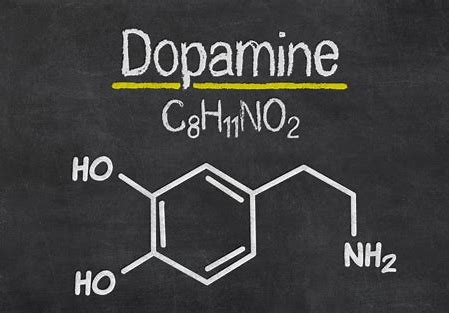 Dopamine
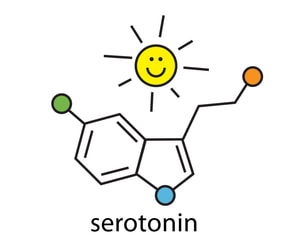 Serotonin
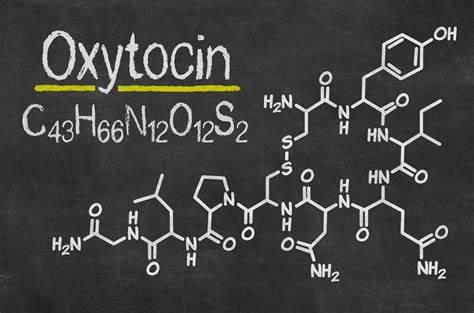 Oxytocin
 Endorphins
In SumHappiness hormones—dopamine, serotonin, oxytocin, and endorphins—are essential for your well-being. You may increase the levels of these hormones without any medication by making simple changes in your lifestyle, such as exercise, diet, and meditation. In the end, these things can make a big impact. References
Stressed out? Let’s learn key stress reduction techniques and why they are good for happiness.  Whether it's misplacing your keys before an early meeting at work, being worried about an upcoming doctor’s appointment, or having to give a presentation in front of your classmates, stress is a universal experience. Oftentimes, our daily stress levels can fluctuate because of our individual circumstances with work, health, or our families and friends. Bigger situations such as a global pandemic, natural disasters, or political issues may also contribute to higher stress. While we may not always be in control of our stressors, we are in charge of how we respond to them. Here are some ways to deal with stressful situations and learn how to reduce the impact stress has on your well-being. Ways to De-StressOftentimes, we may be occupied with a never-ending to-do list, meetings that could have been emails, or stuck in afternoon traffic that makes our hectic lives just that much busier. Finding time for ourselves in the mix of all of our responsibilities can be challenging. Luckily, even with a handful of free minutes a day, we can do a few things that may help us calm down and lower our stress. Let’s take a look at some examples. 1. Go for a Short WalkWalking allows us to clear our minds, get some fresh air, and get our bodies moving. When we go outside, our minds can become stimulated by the outdoor environment rather than the internal stress we may be focusing on. Additionally, physical activity releases endorphins, which are feel-good hormones in the brain that support pain relief (Rhodes et al., 2009). 2. Talk a Music BreakThe reason why music can feel therapeutic is that listening to songs we enjoy, can sing along with, or dance to releases a neurotransmitter, or a chemical messenger, in our brains called dopamine (Labbé et al., 2007). Dopamine has several functions, but some of its functions include lowering blood pressure and feeling contentment, which may result in better moods. 3. Call a Loved OneIt may be beneficial for you to pick up the phone to hear the sound of someone else’s voice when the stress in your head begins to feel loud. According to health psychology, social support is an incredible tool for stress relief, coping with difficult situations, and even overcoming illnesses. Talking to a loved one can aid us in feeling less alone, especially when we are going through tough times (Coleman & Iso-Ahola, 1993). 4. Cuddle with Your Fur BabyTouch and affection can positively impact our well-being because research has shown that they can reduce cortisol—the hormone in our bodies that induces stress reactions. Not only can a quick at-home pet therapy session make you de-stress, but it can also improve the bond with your pet too. 5. Give Mindfulness Meditation a TryIn recent years, mindfulness meditation has become an increasingly popular stress relief technique. Mindfulness meditation is the practice of centering ourselves by bringing awareness to the present moment (Astin, 1997). 6. Take a Hot Bath or ShowerResearch suggests that a hot bath or shower about 90 minutes before bed can help lower stress. When we feel elevated levels of stress emotionally, our bodies can feel the physical effects of tension, muscle aches, and overall fatigue (Lehrer & Woolfolk, 2021). 7. Reduce Caffeine IntakeIt may be best to keep caffeine reserved for your morning coffee. Drinking caffeine too close to bedtime can alter our sleep patterns, keep us awake when we are tired, and elevate stress levels (Lovallo et al., 2006). 8. Read Instead of ScrollBetween Twitter, Instagram, TikTok, and Facebook, we have more than enough apps on our phones that make it easy to absorb content endlessly. If you catch yourself repeatedly saying “just one more video” and later realizing it has been hours past your bedtime, it may be time to limit your phone use before bed. The downside of scrolling on our phones late at night is that the blue light from screens can reduce the production of melatonin, a hormone found in our bodies that induces sleep. If you’re craving some relaxation before bed, try picking up a book you might enjoy instead (Jin, 1992). 9. Write About ItWhen we face stressors or challenges in our lives, it’s easy to bundle up all our emotions about the situation inside of us. Sometimes, putting any intrusive or anxious thoughts out on paper can provide clarity about our issues or find new ways to solve problems—not to mention, release onto paper all the emotions we have about our stressors (Davis, Eshelman, & McKay, 2008). 10. Take Care of Your SkinWho knew that spending more time in the bathroom could be better for your emotional health? Not only does having a skincare routine benefit, well…your skin, but it may also help reduce stress. Research about skincare as a technique for stress reduction is fairly new, but evidence suggests that feeling good about your skin externally can help your body feel better internally as well (Sharma & Black, 2001). In SumWe all experience some level of stress. No matter the magnitude of our stressors, the situations that elevate stress can weigh heavily on our minds and bodies if we don’t de-stress every day. Hopefully, this article provided you with a plethora of options to choose from as you compile your own list of favorite stress management techniques. References
What is self-respect and what can we do to respect ourselves more?  Experts have defined self-respect in a myriad of ways and in a variety of contexts, but a common understanding of self-respect is as follows. Psychological researchers, in particular, may often define self-respect as an act of honoring your needs and desires, understanding your worth, and making choices that enable you to keep your dignity (Dillon, 2013). Self-respect remains important because it helps us to work through challenges, build resilience in life, and maintain our emotional health. Many researchers also argue that self-respect is closely related to our understanding of self-esteem and our behaviors of self-love. The opposite of self-respect is disrespect. But what exactly does this look like? Here are some examples of how you might be disrespecting yourself:
Lacking self-respect can have a variety of causes. Perhaps you grew up in an environment where you were unsupported or abused by your caregivers. Maybe you were bullied in school and received little care from teachers. You may have been through trauma in relationships or family life that made you feel small or unworthy. Or, maybe you were just never taught the importance of self-respect in grade school when you learned about respect for others (Luchies et al., 2010). Regardless of the reason, I am glad you are here to learn how to gain some more self-respect. How to Gain Self-RespectPerhaps you’ve read this far and realized that maybe you could be just a bit better off if you practiced self-respect more often. But for many of us, it’s hard to change core beliefs and old habits, especially if we don’t know where to begin. This upcoming list is by no means exhaustive, but we do hope it provides you with a place to start. Check out these examples of how to increase your self-respect. 1. Reflect on your values.It is helpful to make a list of what you value in life, what your needs are, and what you want from life. Think about what values you have and how you go about living them each day (or perhaps, what you may need to improve upon). 2. Take a look at your relationships with others.A good way to know if you are respecting yourself is by understanding how the people around you may also be treating you. How we respect and treat ourselves is a great indicator of how other people learn to treat us too. If you find yourself feeling neglected, disrespected, or unsupported by some of the people around you, look at how you can make changes to that relationship. The takeaway is you get to decide what you’ll tolerate from others, and a good way to respect yourself is to not bend over backward for the folks in your life who cross your boundaries. 3. Practice Self-CareFirst and foremost, you deserve it. But secondly, when we make a conscious effort to take care of ourselves emotionally, physically, and spiritually, we remind ourselves that we are worthy of love, respect, and happiness. The more we appreciate who we are and give attention to our needs and wants, the more we make self-respect a priority in our lives. 4. Don't Be so Hard on YourselfNo critic outside of ourselves is louder than the one that lives inside. We all mess up from time to time. It’s important to forgive ourselves for our shortcomings and to apologize with grace when we make mistakes. 5. Do More Thing You EnjoyDo you have a favorite hobby but don’t have time for it? Is there an activity that you like to do, even if you’re not good at it? Are there things you like to do that no one else does? Do them anyway. Find the time, remind yourself you don’t need to do things well to enjoy them, and tell yourself it’s okay to do things alone. Whether it’s brushing up on your sewing skills, trying a new bit for your stand-up comedy, or hiking in the mountains, take the time out of your schedule and surround yourself with activities you enjoy. When we nurture our souls, we learn to be more self-respecting. In SumIt may take you time to process what you have learned here and apply it to your own life—and that’s okay. The important thing is to remember how worthy you are of your own respect and honor yourself. References
|

AuthorPamela (Pami) Parker currently serves as a holistic practitioner, coach and teacher. Her intention is to be a compassionate guide to those who choose to experience a healthier, happier and more peaceful way of life. Categories
All
|